Conservation of Mexico’s Endemic
Black-polled Yellowthroat
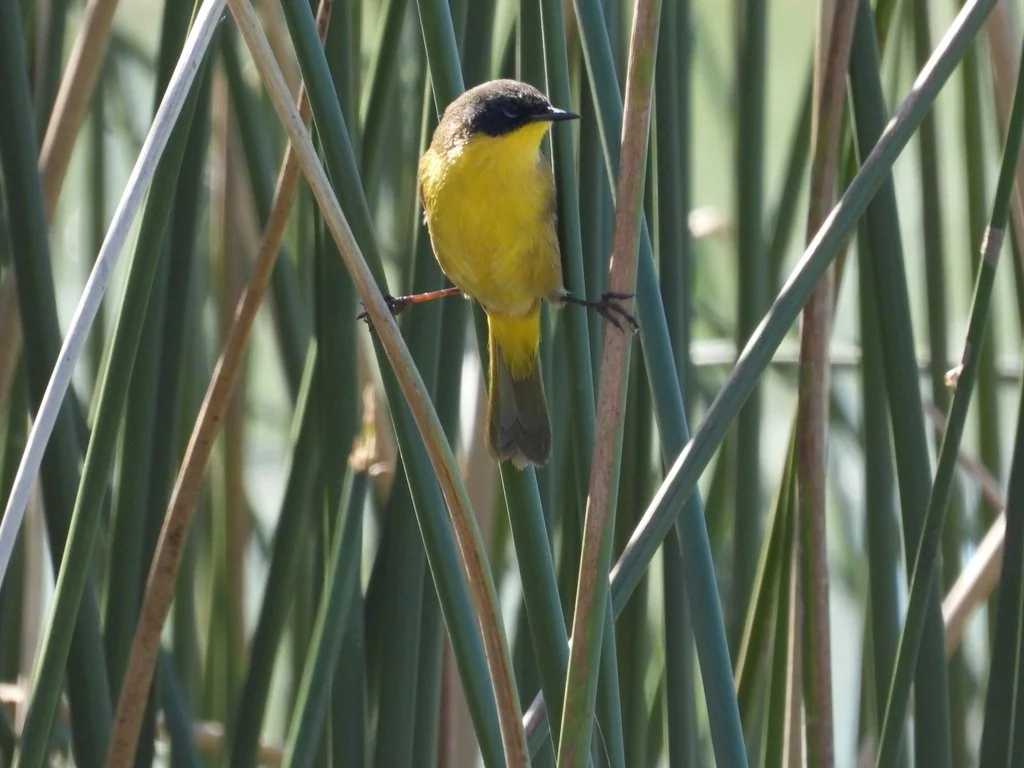
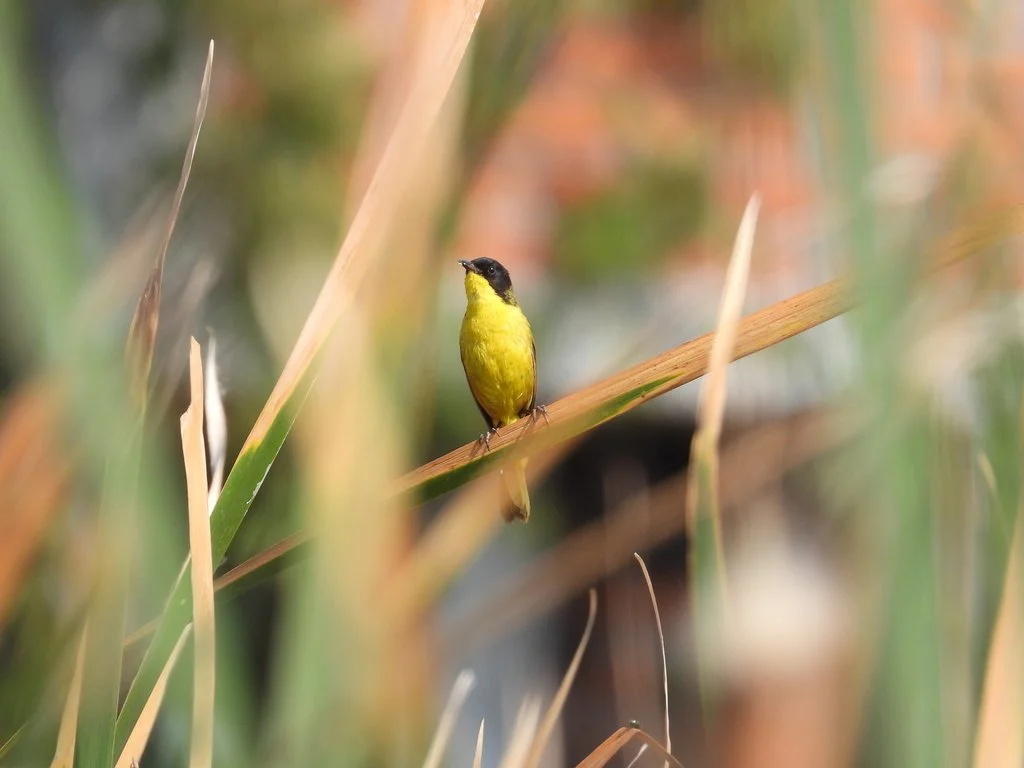
Blackpoll Yellowthroat - photo by Igancio Torres Garcia
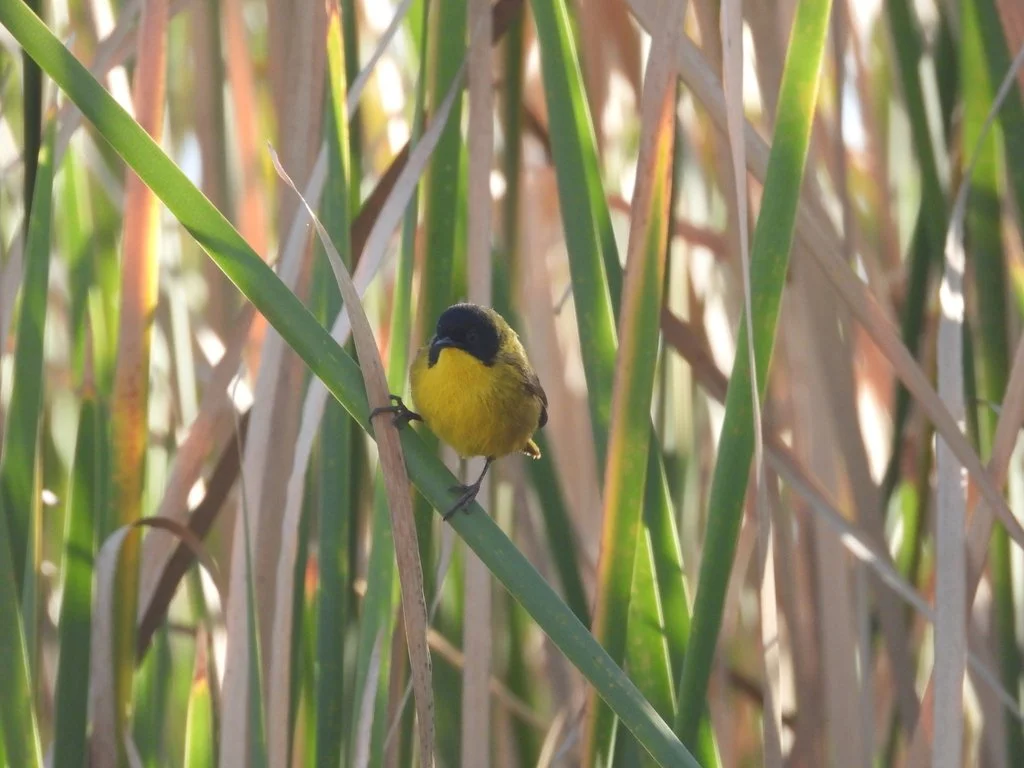
The Bird Conservation Fund (BCF) is teaming up with the Ciencia BioAncestral AC to raise $6,000 to update our knowledge of the distribution and threats to Black-poll Yellowthroat (Geothlypis speciosa) in a series of lakes in the central Mexican states of Guanajuato and Michoacán.
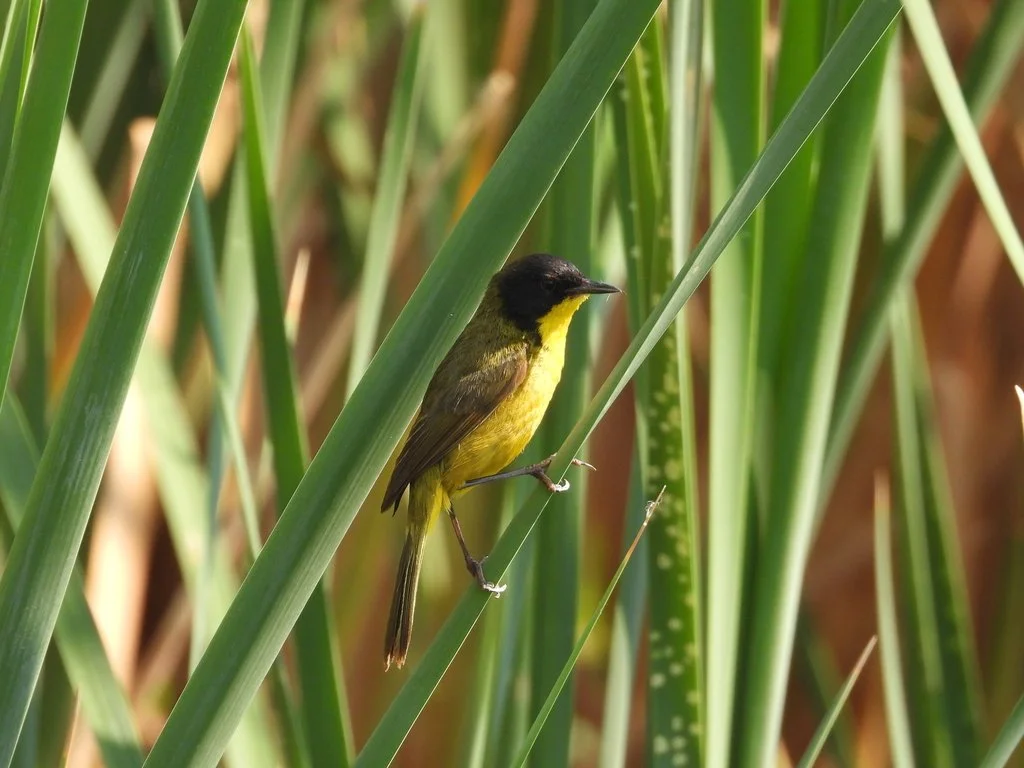
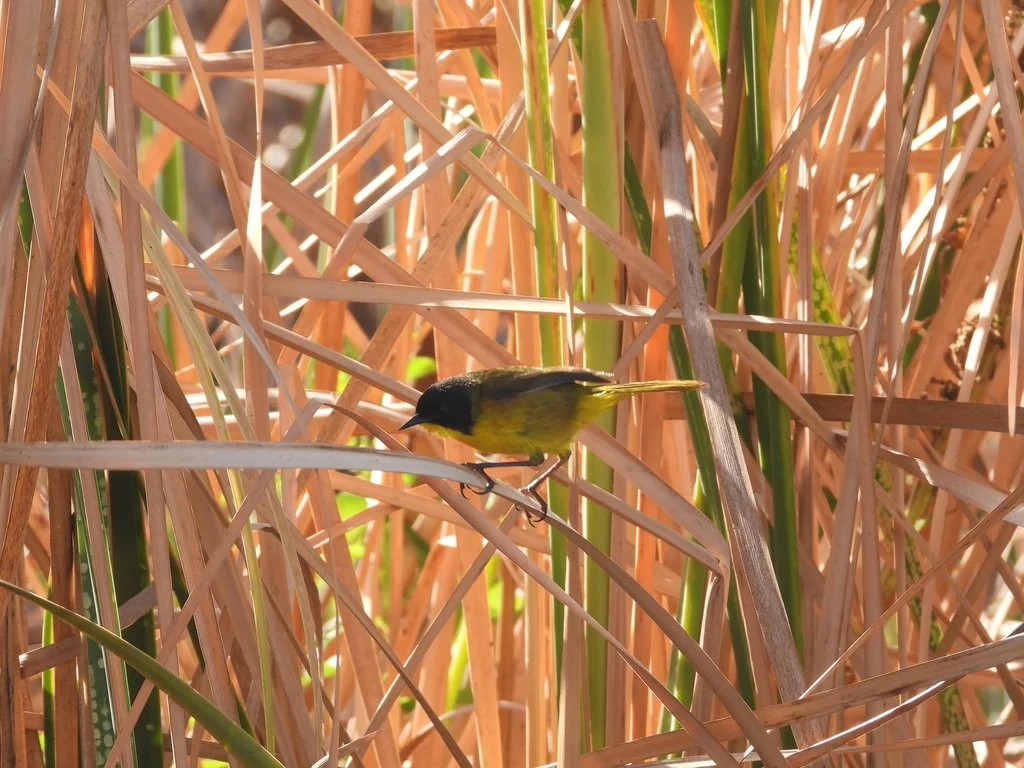
Black-polled Yellowthroat is known from just five areas in central Mexico, in the states of Guanajuato, Michoacán, and México. Due to its small range and suspicions that its population has declined dramatically, the species is listed as globally Endangered by BirdLife International. Black-polled Yellowthroat is restricted to extensive freshwater marshes within the Transvolcanic Belt region and is seemingly unable to persist in degraded habitats (1).
The last update of distribution published was taken in 2018, the study detected the bird in five lakes: Cienega de Lerma (México state); Lake Cuitzeo, Lake Pátzcuaro and Lake Zirahuén (Michoacán State); and Laguna de Yuriria (Guanajuato State) (Pérez et al. 2018). There is no populations abundance estimation published recently. Habitat threads that have been identified are the common practice of burning marshes, extraction of cattail for handicrafts and extraction of bulrush (Scirpus ssp.) (Arteaga et al. 2018).
Cienega de Lerma has the most of records reported lately, however official data report only 29 records in lakes of Guanajuato and Michoacán states in the last five years (https://enciclovida.mx/especies/36201-geothlypis-speciosa).
Places with records of Black-polled Yellowthroat in Guanajuato and Michoacán are statal natural protected areas, however, there are not conservation projects focused on this specie. The objectives of the first stage of the project of Black-polled Yellowthroat conservation are as follows:
1) Estimate the spatial distribution and abundance in Laguna de Yuriria, Lago de Cuitzeo, Lago de Pátzcuaro and Lago de Zirahuén.
2) Know what kind of disturbances and anthropogenic activities are affecting spatial distribution and abundance.
3) Encourage social involvement in the project.
4) Involve government to take conservation actions.
Methods
The project will be realized in four lakes: Laguna de Yuriria, Lago de Cuitzeo, Lago de Pátzcuaro, and Lago de Zirahuén. Study site of the project of Black Polled Yellowthroat Conservation
Spatial distribution and abundance
Field sampling
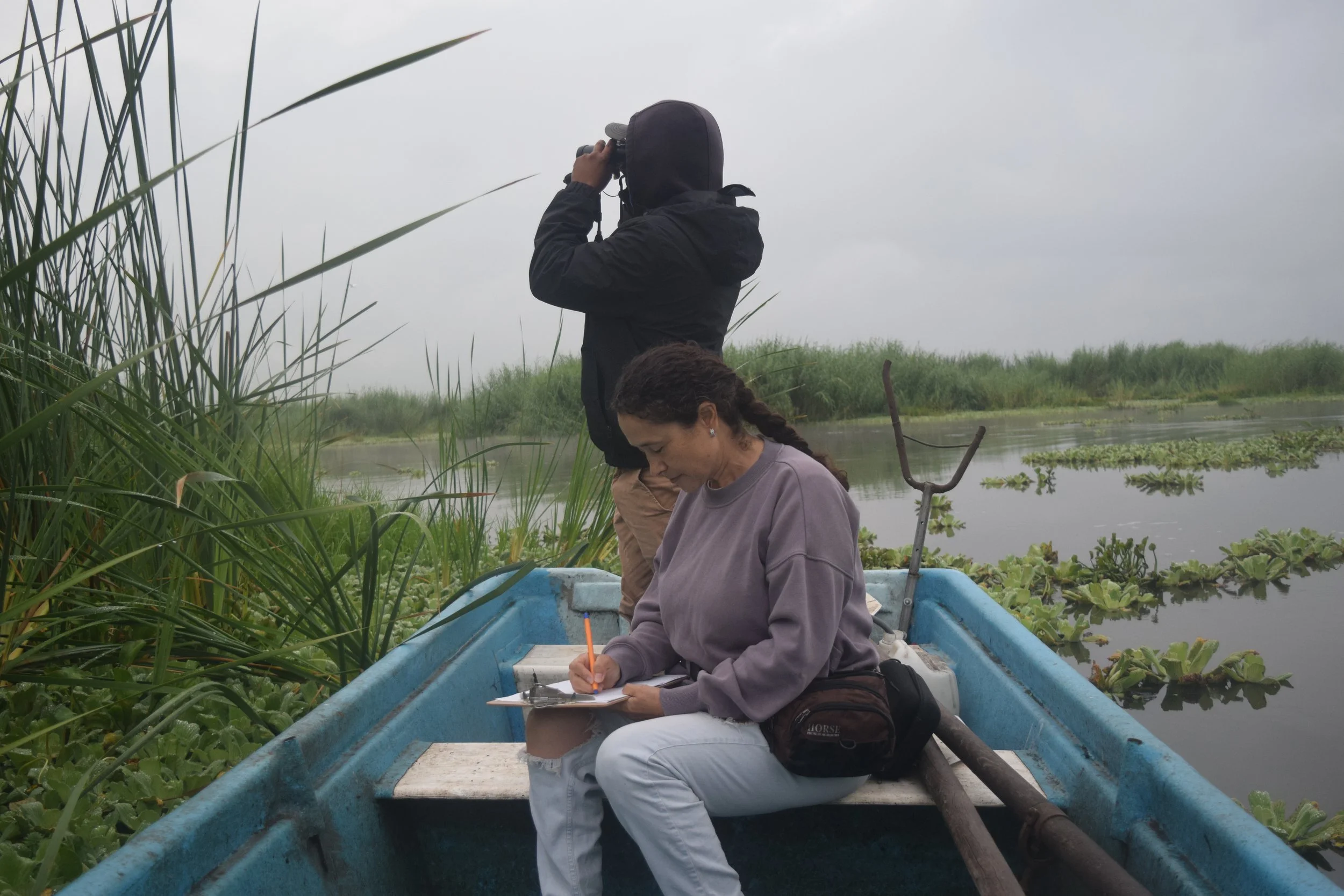
At each lake, listening/look-see point counts with a 25 meters radius will be defined randomly (3), with a minimum separation distance of 250 meters from other point count to assure independence (MacKenzie et al. 2002, MacKenzie et al. 2018). Record of call of the bird will be played through portable speakers and MP3 player. Playbacks looped for a 8-minute interval and played based on a recording obtained from Xenocanto (https://xeno-canto.org/species/Geothlypis-speciosa). The visual search for the birds will be carry out by two experienced observers. Each point count will be georeferenced, and the absence, presence and number and sex of individuals will be registered (Leal 2013, Alambiaga et al. 2021). Also, we will register environmental characteristics such as:
1) Dominant vegetation
2) Agriculture
3) Fishing area
4) Cattle grazing
5) Burned vegetation
6) Towns
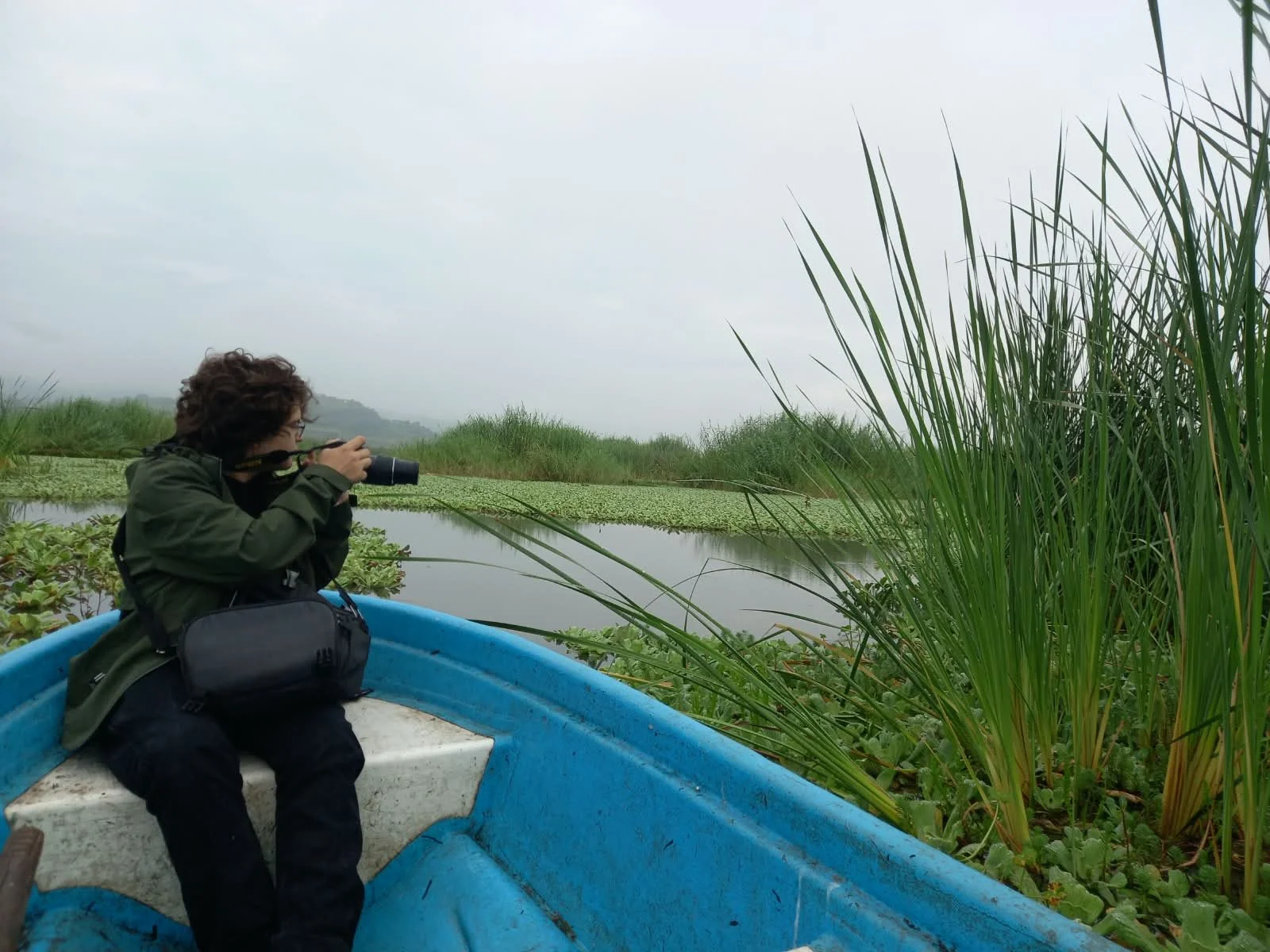
Each count point will be visited at least four times. Surveys of aquatic vegetation will be made by boat, and terrestrial vegetation will be made by foot. Samplings will be restricted to the first and last three hours of the day when the peak of activity occurs.
Data analysis
Hierarchical occupancy model using the R package unmarked (MacKenzie et al. 2003) will be implemented. Based on the detection data that we will obtain, the occupancy models will allow us to estimate the occupancy probability, which is the probability that any given site is occupied by at least one individual of a black-polled yellowthroat, and the detection probability, defined as the probability of detecting at least one individual in sites where the species is present.
Also, we will implement the N-mixture model for estimate true abundance, correct for imperfect detection, and incorporate covariates that could affect both abundance and detection.
Encourage social involvement in the project
People from rural towns surrounding the study places will be hired as guides for aquatic and terrestrial surveys. Participatory meetings will be organized to discuss the importance of conservation of the black-polled yellowthroat.
Involve government to take conservation actions
Both municipal and state government authorities will be involved from the beginning of the project, as authorization will be requested to carry out sampling within the wetlands. Once the project is finished, a formal report will be presented to state authorities since the lakes are state-protected natural areas. Conservation activities and actions will be suggested according to the results of this first stage of the project.
As the mission of Ciencia BioAncestral AC, as non-governmental nonprofit organization, is biodiversity conservation, they are committed to engage in necessary conservation actions in the following years.
The estimated period to carry out the project is six months.
Budget
Travel expenses to study sites
$ 4,400.00
Payment for local guides
$ 1,550.00
Hooter for playbacks
$ 50.00
Total
$6,000.00
References
(1) (Antolin, V. and C. K. Ghalambor (2024). Black-polled Yellowthroat (Geothlypis speciosa), version 1.1. In Birds of the World (T. S. Schulenberg and M. G. Smith, Editors). Cornell Lab of Ornithology, Ithaca, NY, USA. https://doi.org/10.2173/bow.blpyel1.01.1)
(2) Alambiaga, I., Carrasco, M., Ruiz, C., Mesquita-Joanes, F., & Monrós, J. S. (2021). Population trends and habitat selection of threatened marsh passerines in a protected Mediterranean wetland. Avian Conserv. Ecol, 16, 23.
(3) Bibby, C. J., N. D. Burgess, D. A. Hill, & S. H. Mustoe (1992). Bird census techniques. Academic Press, London, England.