Searching for the Manipur Bush Quail:
A Six-Month Survey in Assam’s Non-Protected Grasslands
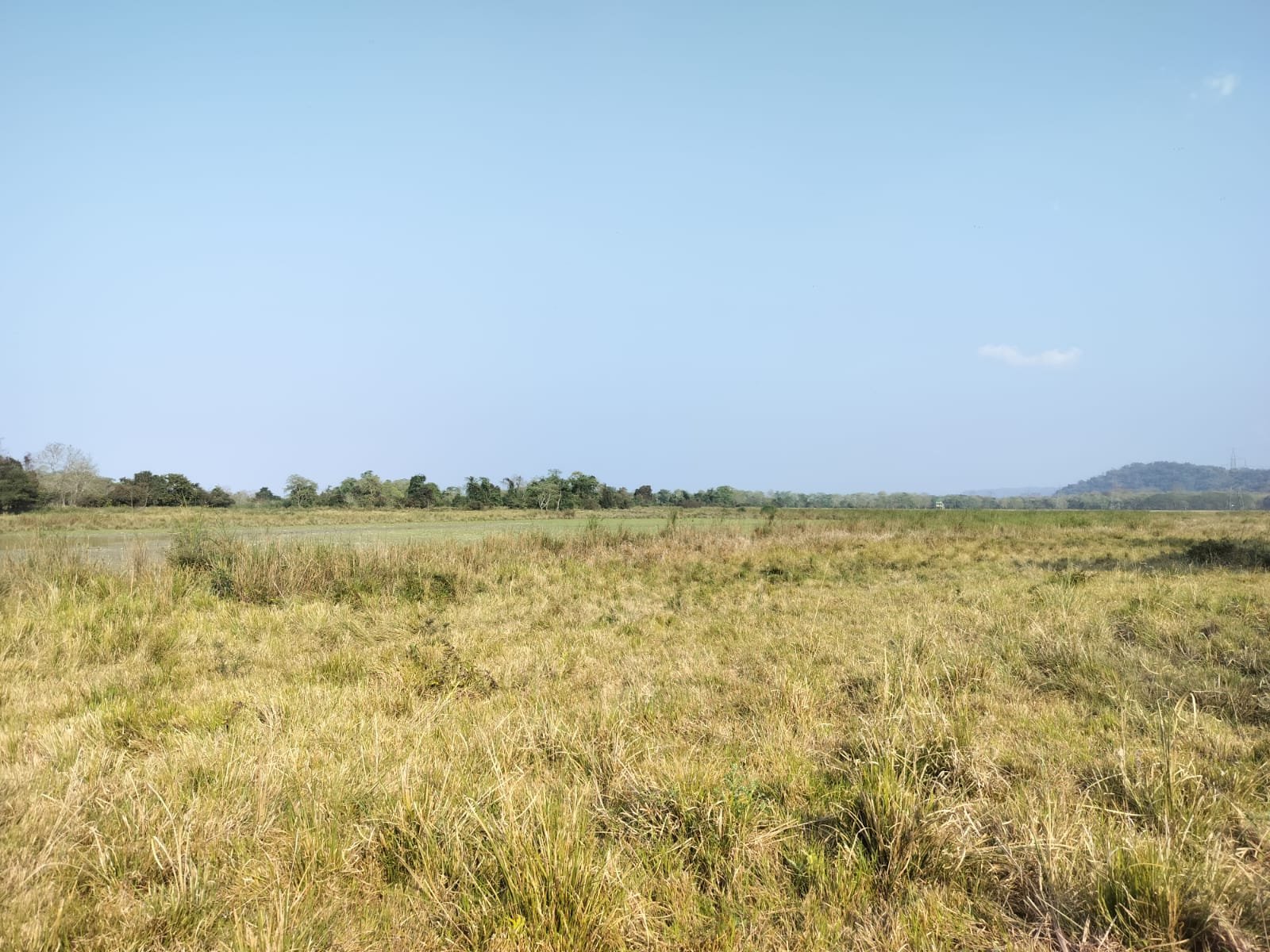
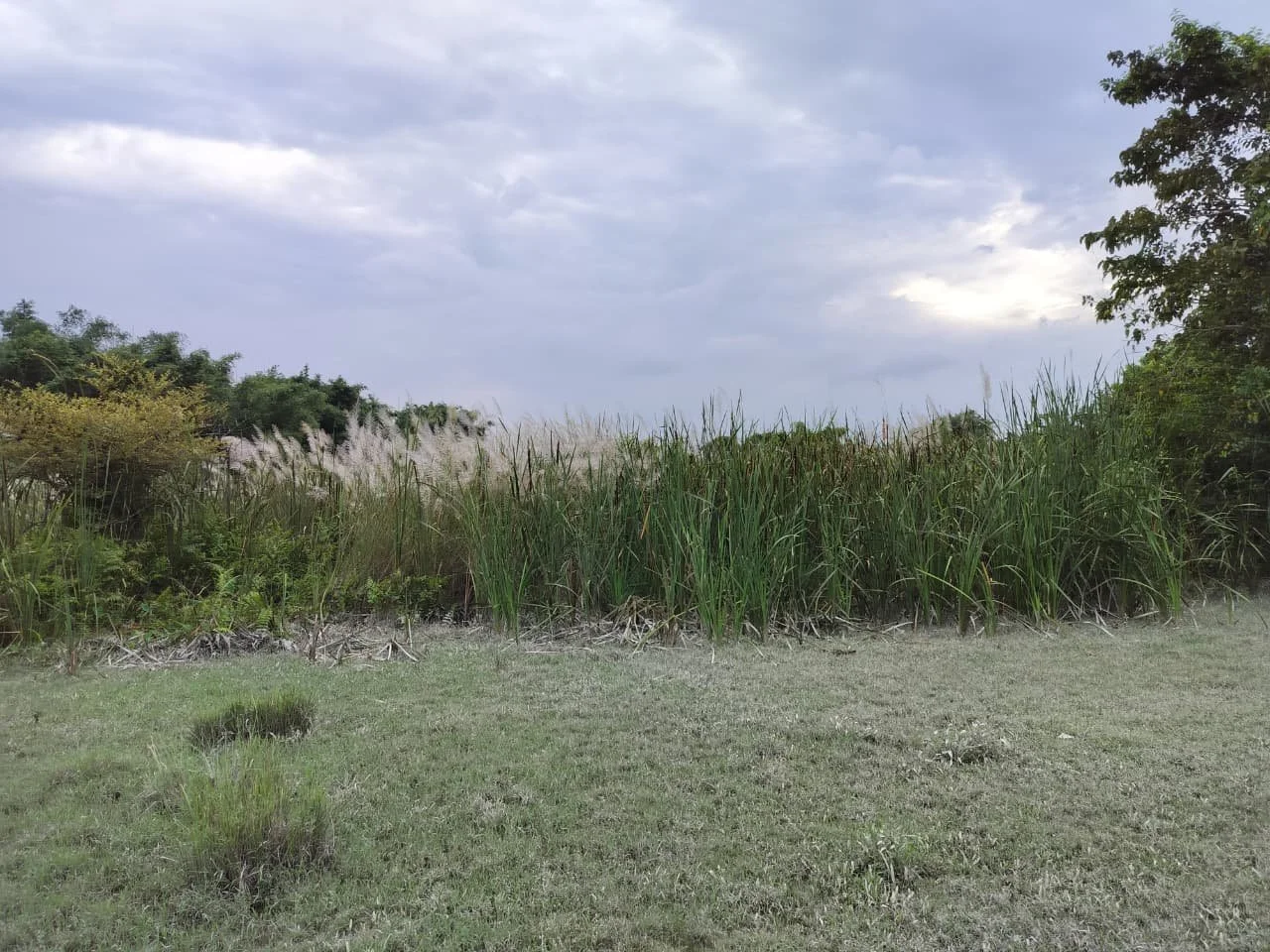
The Bird Conservation Fund is seeking $5,000 and teaming up with the American Bird Conservancy’s Search for Lost Birds Team to support a project with Aaranyak to survey for the critically endangered Manipur Bush Quail (Perdicula manipurensis). The Bush-Quail is a poorly understood species of grassland quail endemic to Northeast India. The project aims to determine whether this species persists in non-protected areas, particularly in lowland and foothill grasslands or scrubs of Assam.
The most recent widely acknowledged record of the Manipur Bush Quail was in 2006 from Manas National Park, Assam, reported by the renowned ornithologist Dr. Anwaruddin Choudhury. This sighting was significant, as it marked the species’ first confirmed observation in over 70 years. Since then, only a handful of unconfirmed or anecdotal reports have surfaced, with no verifiable documentation emerging from non-protected areas.
December 2025 to March 2026 – Field Surveys in Selected Non-Protected Sites
Survey Design:
• Target scrub-dominated forest fringe habitats not restricted to low elevations.
• Select grids based on GIS outputs and accessibility.
• Conduct repeat surveys at different times of day (especially early morning and late afternoon).
Methods:
• Transect walks
• Playback of vocalizations will be cautiously employed as a supplementary detection method, using calls of closely related species such as the Jungle Bush Quail (Perdicula asiatica) and Painted Bush Quail (Perdicula erythrorhyncha). These species belong to the same genus (Perdicula) and are distributed near or within the broader range of the Manipur Bush Quail (Perdicula manipurensis), making their vocalisations potentially useful in eliciting a response.
• Photographic and audio documentation of any bush quail species.
• Opportunistic interviews with locals/herders for anecdotal sightings.
• Habitat characterization using rapid assessment sheets.
March 2026 – "Manipur Bush Quail Search Day" (Public Participation)
• One-day synchronised citizen-science event across multiple districts.
• Promote widely via birding networks, and local NGOs.
• Encourage birders and trained volunteers to visit potential habitats and document quail sightings or signs.
• Recognition and prizes for best documentation or effort.
March 2026– Data Analysis, Reporting, Dissemination (Last week)
Data Analysis:
• Collate all field and search day data.
• Map sighting locations, effort, and detection rates.
• Compare detections of other Perdicula species as proxies.
Reporting:
• Prepare an illustrated report with maps, photographs, and results.
• Include site-specific recommendations for habitat conservation or further search.
• Draft a short policy brief to share with forest departments and local stakeholders.
Dissemination:
• Host an online meeting to share findings.
• Send reports to stakeholders, and government bodies.
• Prepare a simplified infographic for public release on social media and outreach channels.
Locations:
• Target districts in Assam (both north and south of Brahmaputra). Areas where the species was historically found like the foothill grasslands and scrubs of districts like Kokrajhar, Chirang, Baksa, Udalguri, etc.
Search Methodology:
Survey Area and Habitat Coverage
The survey area will be delineated on a map, covering all habitat types known or suspected to support Manipur Bush Quail (Perdicula manipurensis), with particular focus on grasslands, scrub jungles, and lightly wooded areas. Habitats such as mature woodlands and monoculture plantations older than five years will be excluded due to their low suitability for the species.
Surveys will be conducted on a field-by-field basis, either on foot or by slowly driving along habitat edges and internal tracks. At each site, observers will systematically scan all habitat patches. Bird counts will begin along the outer edges of fields or grasslands, followed by criss-cross transects to maximize detectability and minimize observer bias.
Observation and Recording Protocol
Observers will record all sightings of pairs and single individuals, both with and without broods, along with any family groups encountered. Efforts will also be made to consult local communities, especially herders and farmers, for any recent or historical sightings of the species.
For each covey or group observed, the number of adult males, adult females, and young birds will be recorded when possible (Stoate,1989; Harris,2013). In cases where ageing or sexing is uncertain, standard field illustrations and known behavioural cues will be used to aid identification.
All sightings will be mapped using standardized notation to indicate covey composition and location.
Presence will be confirmed through:
• Direct sightings of individuals or family groups.
• Photographic or video documentation (if possible).
• Vocal confirmations (natural calls or responsive calls during playback).
• Field sign evidence (feathers, droppings) if confidently attributable.
4. How does your research plan differ from previous efforts to look for this species that have not been successful?
Our research plan differs from previous efforts in the following ways:
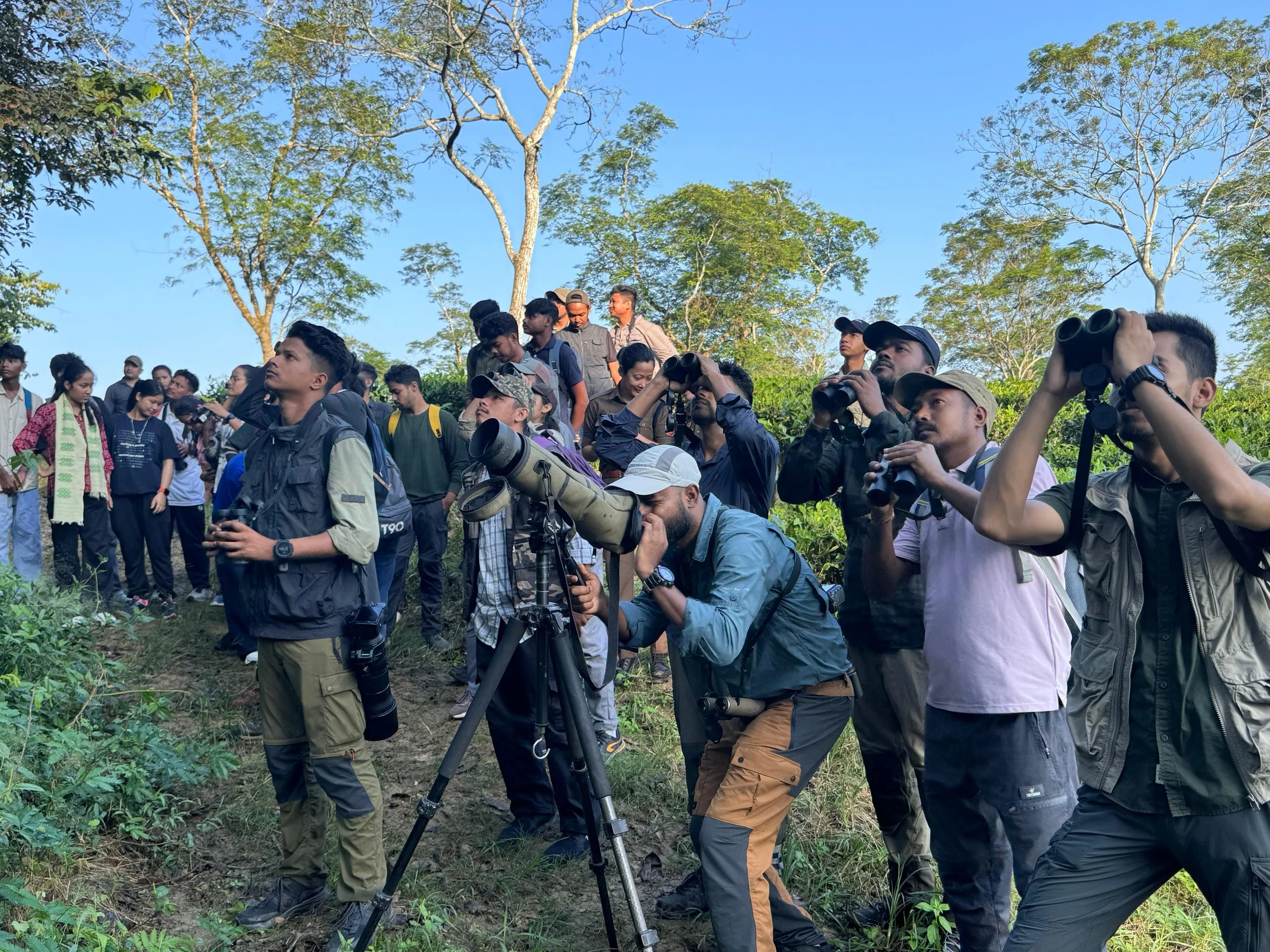
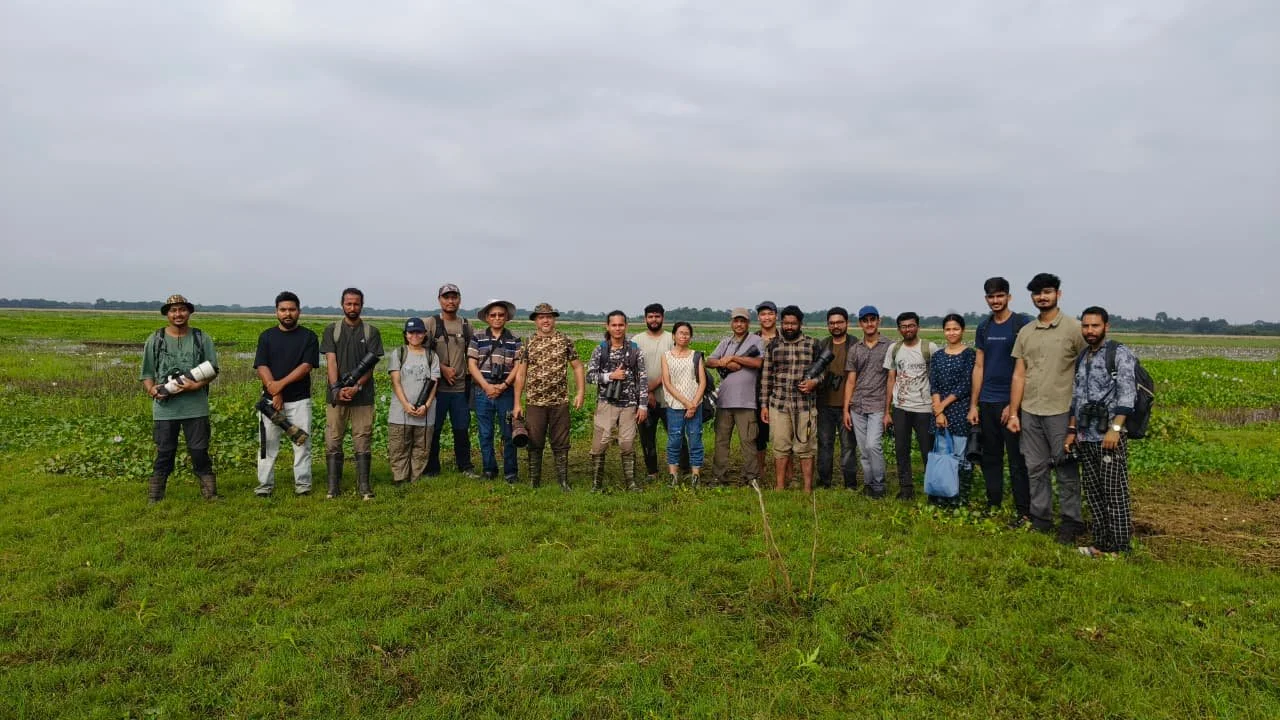
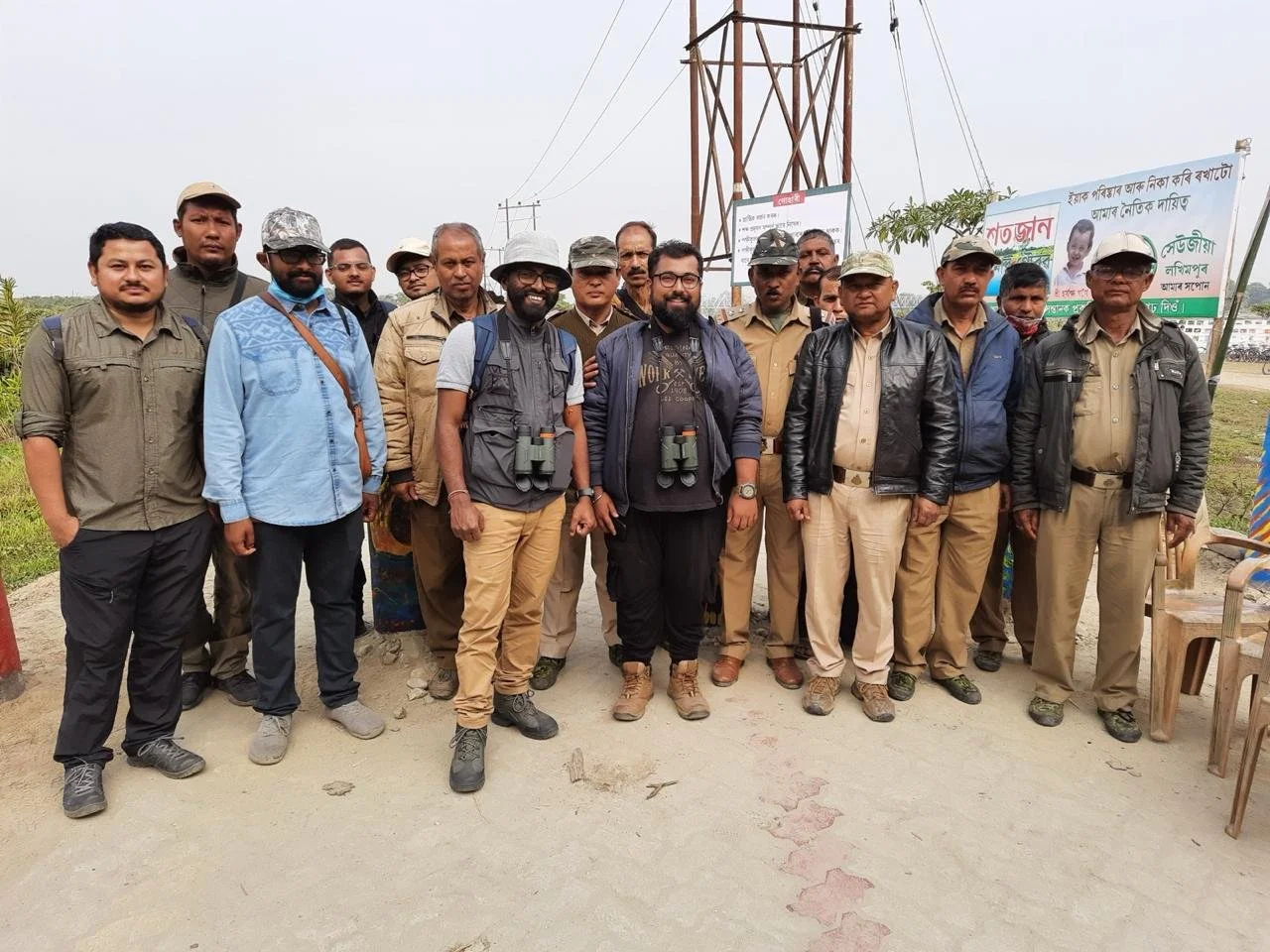
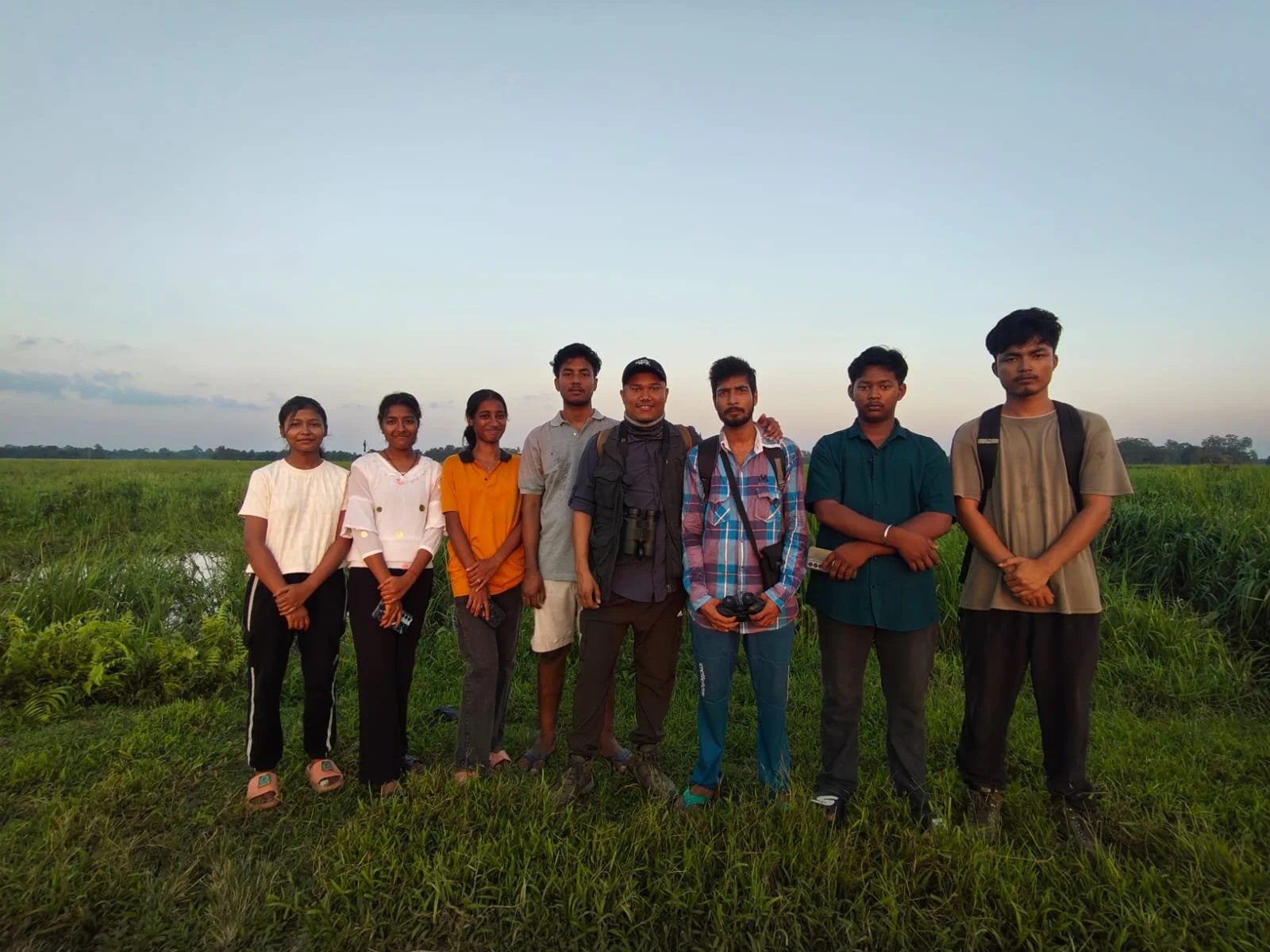
• Community-driven model: We are building a network of local birdwatchers, bird clubs, and nature groups to expand the spatial coverage beyond the usual protected areas. This decentralised approach helps tap into the collective efforts of citizen scientists who are often familiar with their local landscapes.
• Focus on non-protected areas: Past surveys have been mostly confined to wildlife sanctuaries and national parks. In contrast, our plan targets neglected habitats like village outskirts, scrub-dominated forest fringes, seasonally cultivated areas, and degraded patches that still hold potential for cryptic species. This includes areas not traditionally considered priority bird habitats.
• Landscape focus and elevation range: While the Manipur Bush Quail was initially described from low elevations, we do not restrict our surveys to the lowlands. Both Jungle Bush Quail and Painted Bush Quail, which are its closest Indian relatives, are found across a wide elevational range. Manipur Bush Quail itself has been recorded up to 1000 m asl, and our survey design reflects this ecological flexibility.
• Public campaign and participatory model: Through the “Wanted: Manipur Bush Quail” campaign, we are actively involving the public in the search. Posters, talks, and social media content aim to raise awareness and encourage reporting of potential sightings, calls, or even market records.
• Acoustic methods using allied species: Although the call of the Manipur Bush Quail is unknown, we are experimenting with playback of Painted and Jungle Bush Quail vocalisations in suitable habitats, especially during crepuscular hours. This approach is based on the assumption that the Manipur Bush Quail may share similar acoustic structures, as seen in other Perdicula species.
5. What research outputs will result from this project (for example: published papers, reports, etc.)?
• Monthly reports and a final survey report detailing all field efforts, search areas, results, and recommendations.
• Possible scientific publication if observations or new distributional data are discovered.
• Media material (e.g., posters, videos, blog posts) for outreach and awareness.
• Contributions to eBird, Macaulay Library, and Birds of the World.
6. Are there additional species of interest that might be documented as part of the project?
Yes. Surveys in these under-studied grassland and scrub habitats may yield sightings of:
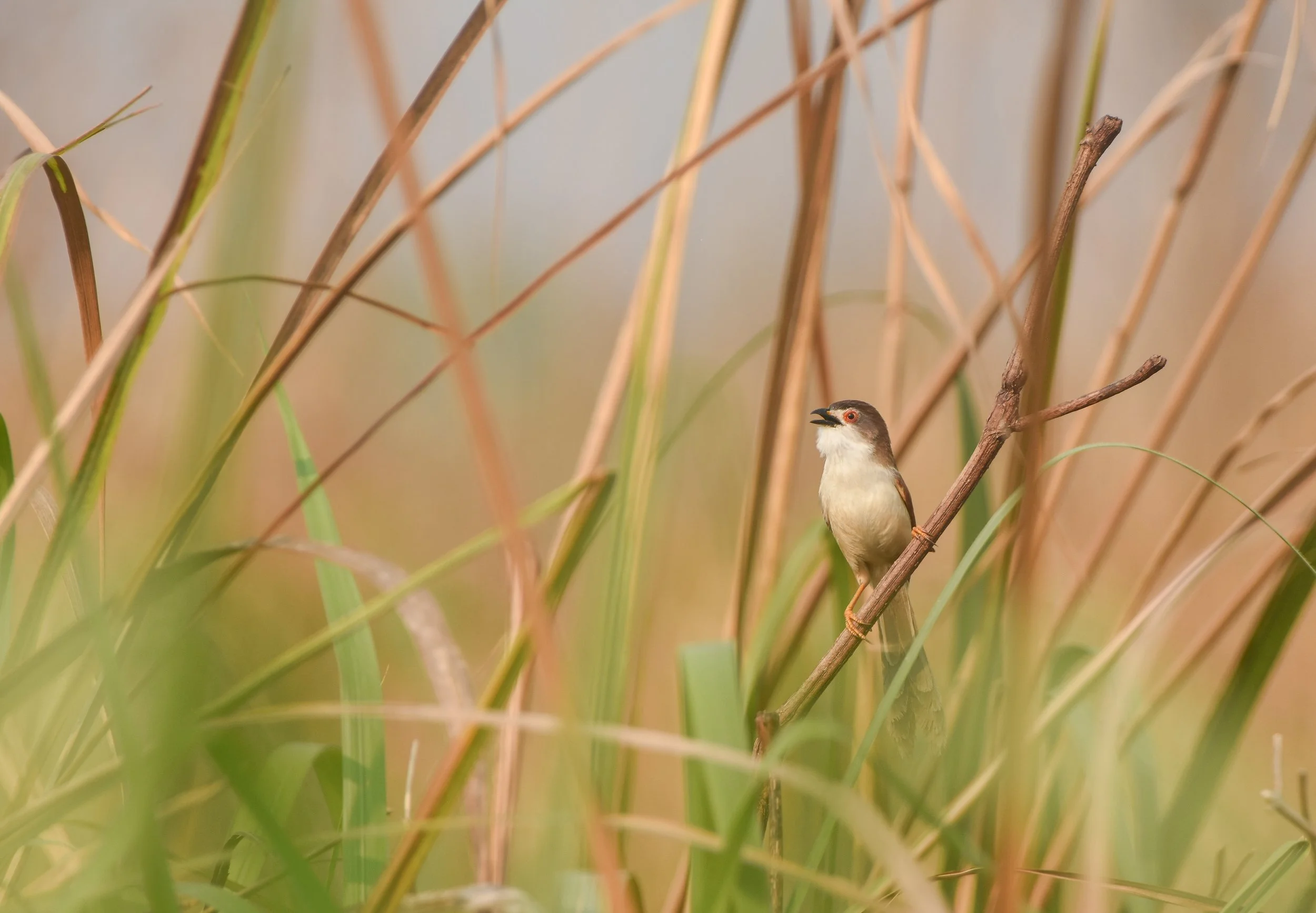
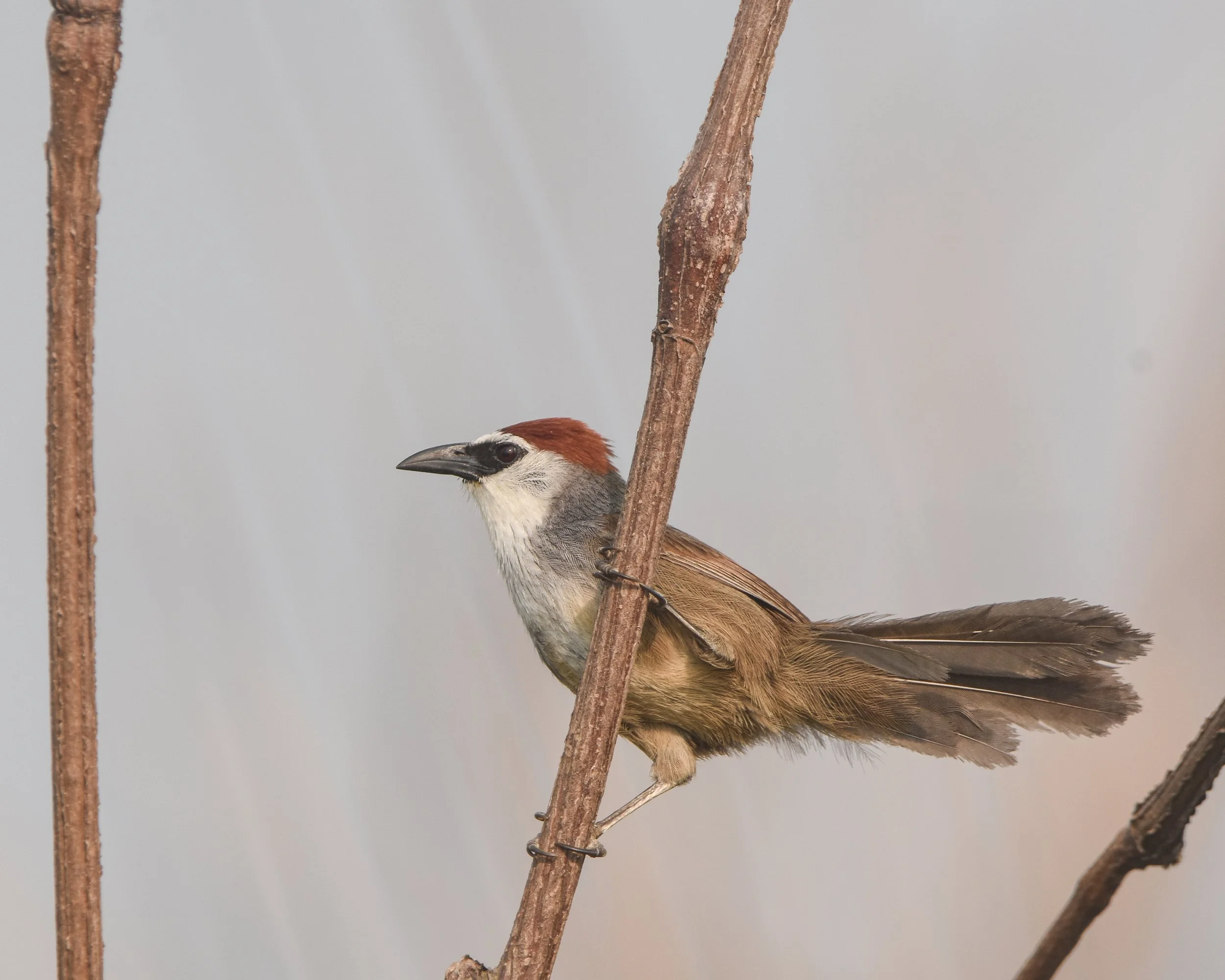
Swamp Francolin, Jerdon’s Bushchat, Yellow-breasted Bunting and Grey-crowned Prinia
7. What resources and experience do you have to document the work and any animals encountered (for example: camera with telephoto lens, sound recorder, etc)?
I have a DSLR camera with a 200–500 mm telephoto lens for high-quality bird and habitat photos, a Zoom H1n recorder for vocalisations, and a GPS unit with offline maps for accurate geo-referencing. I use Nikon Monarch M5 binoculars and detailed field notebooks to record behavior and habitat data. Smartphones with eBird and Merlin Bird ID apps support real-time data entry and quick identification, ensuring thorough documentation in the field.
8. Please briefly describe any relevant collaboration or partnerships with local or regional researchers, NGOs and communities.
We are collaborating with:
• Volunteers from the Assam Bird Monitoring Network.
• Independent birders, educators, and nature guides across northeast India.
• Local NGOs working in biodiversity documentation and habitat awareness.
We will involve community leaders, herders, and farmers in interviews and potential sightings.
9. If the species is found, what steps can be taken to support its conservation?
• Immediate alert to regional and national wildlife authorities (e.g., Forest Department).
• Initiation of site-specific conservation recommendations, including potential habitat protection proposals.
• Community-based stewardship or awareness programs in identified sites.
• Seek support for a longer-term monitoring and conservation plan including possible habitat restoration.